
Chapter 3
1. Establish a Unified Script
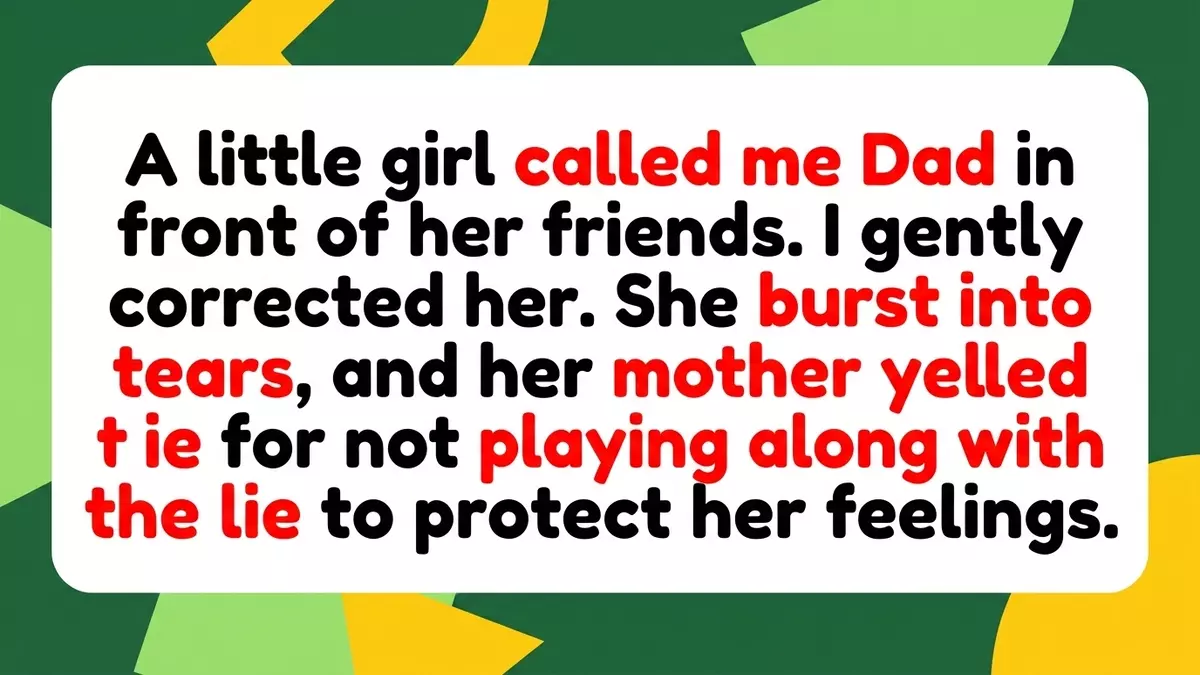
The man and Jane must sit down privately—completely away from the child—to establish a unified, age-appropriate script. They need to agree on exact language explaining his role as an "honorary uncle" or "family protector" who loves her deeply but is not her biological or legal father.
2. Implement a Strategic Step-Back
To prevent further emotional confusion for the little girl, the man must temporarily step back from intimate, traditionally parental duties. This means halting solo school pickups, avoiding bedtime routines, and reducing the frequency of his visits so the child can adjust to his actual role.
3. Build a Healthy, Truthful Narrative
Jane must take ownership of her family identity. Instead of relying on a false surrogate father to make her child feel normal, she must actively teach her daughter that single-parent households and non-traditional family structures are completely valid, strong, and whole on their own.
Conclusion: Truth is the Only Firm Foundation
Ultimately, the man's role as an honorary uncle is incredibly generous, but for it to survive long-term, it must be grounded firmly in reality. No one wants to see a child cry, but genuine care means protecting them with the truth rather than comforting them with a lie. By refusing to play a part in an artificial family dynamic, this man didn't just protect his own life choices—he protected an innocent little girl from a future built on deception, ensuring that whatever relationship they have moving forward is built on absolute trust.
Frequently Asked Questions
1. What is boundary ambiguity in a family structure?
Boundary ambiguity occurs when family members are confused or disagree about who belongs within the core family unit and what roles each person plays. It is common in foster care, stepfamilies, and situations where close friends step in to provide long-term emotional or financial support.
2. How can an adult prevent a friend's child from seeing them as a parent?
To maintain a clear boundary, introduce yourself with a specific title early on, such as "Uncle [Name]" or "Family Friend." Avoid participating in strict parenting behaviors like disciplining, attending parent-teacher conferences, or staying for intimate family routines unless your role is explicitly defined to the child.
3. Why is it dangerous to let a child believe someone is their parent?
Allowing a child to believe a false narrative about their parentage creates an emotional dependency built on a lie. When the truth inevitably comes out later in life, the child often experiences a profound sense of betrayal, loss of identity, and a severe breakdown of trust in everyone who sustained the deception.