
Chapter 3
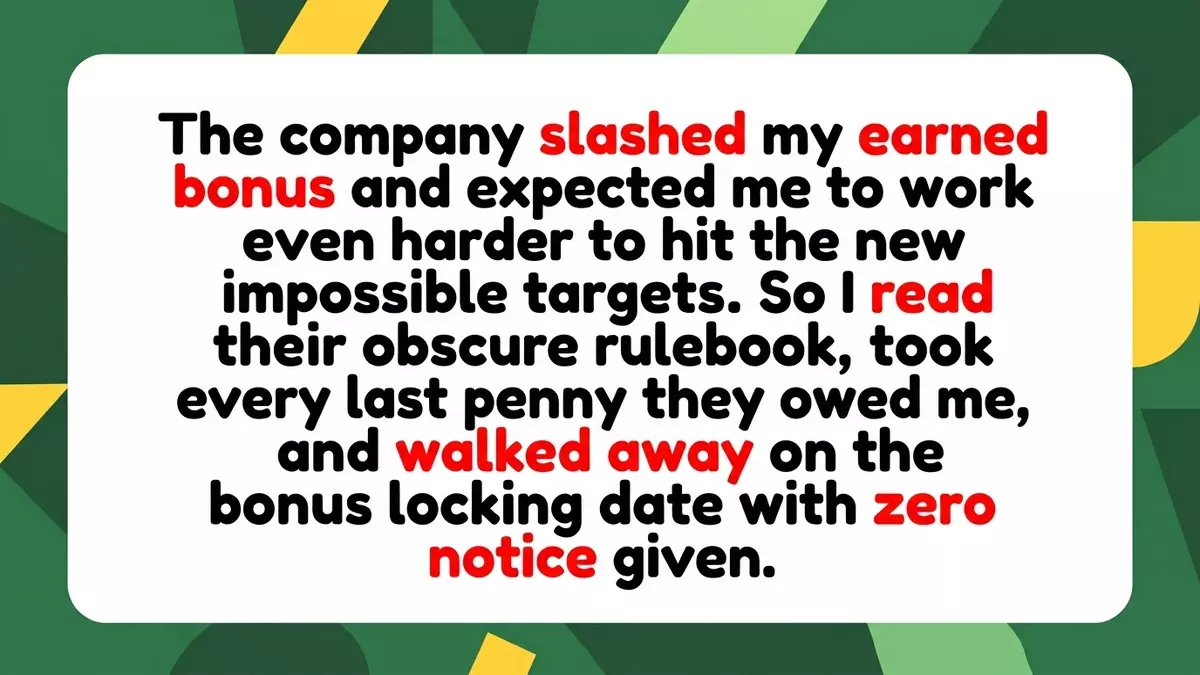
He dropped his formal resignation letter on the desk, walking out the door with his full bonus, his accrued leave pay, and zero transition time left for the managers who tried to cheat him.
A Self-Inflicted Departmental Collapse
With the department's primary anchor gone and no transition period to train remaining staff, the mismanaged ticket queues and inventory systems spiraled completely out of control within days. Management was forced to face the harsh reality of their short-sighted financial choices.
When the story surfaced online, the digital community rallied enthusiastically behind the employee, celebrating the flawless execution of instant karma. While a few practical commentators noted that large corporations will ultimately survive the loss of any single "indispensable" worker, the consensus was clear: the company got exactly what it deserved for trying to exploit its top talent.
True leadership lies in nurturing and fairly compensating exceptional talent, not exploiting it for short-term financial gains. When companies resort to adjusting rules to avoid paying earned bonuses, they don’t just lose their top performers—they permanently break the trust of the entire team left behind.
Frequently Asked Questions
What is performance punishment in the workplace?
Performance punishment occurs when a manager rewards a high-performing employee's efficiency by simply giving them more work, higher quotas, or extra responsibilities without offering a corresponding promotion, title change, or increase in pay.
Is it legal for a company to change a bonus structure retroactively?
In many jurisdictions, employers cannot legally change a bonus or commission structure retroactively for work that has already been completed under an active agreement. However, companies often try to exploit loopholes by altering the metrics right before the official payout period closes.
How did the specialist use the rulebook to his advantage?
The specialist studied the company policy manual to find specific clauses regarding PTO usage and bonus locking dates. He timed his resignation so that his bonus was legally secured, and used his accrued leave to walk away immediately, preventing management from forcing him to train a replacement.
What should an employee do if management moves the performance goalposts?
If an employer arbitrarily changes your compensation or metrics, document the original agreement and your performance data immediately. Establish clear boundaries regarding your workload, refuse to take on uncompensated duties, and consider looking for an organization that values consistency.
How can companies prevent losing their top-performing talent?
Organizations can protect their talent pool by conducting regular workload audits, ensuring clear transparency in commission structures, and rewarding cross-training with actual promotions and financial raises rather than symbolic gestures or empty promises.