
Chapter 3
1. Establish Emotional and Physical Space
Take a temporary step back from wedding planning and shared social activities to cool down. Both partners need independent time to process their individual feelings and actions away from the immediate heat of the argument.
2. Initiate a Guided Emergency Expectations Talk
Engage in a structured, honest conversation about what is expected from each partner during a health or safety crisis. This conversation is often best guided by a professional couples counselor who can help unearth the root of any underlying resentment or freeze responses.
3. Gauge the Level of Accountability
Pay close attention to how your partner responds during the talk. If they remain highly defensive, minimize your medical experience, or fail to acknowledge the gravity of their emotional neglect, it is a clear sign that the capacity for mutual support is absent.
Conclusion: When the Illusion of Security Fades
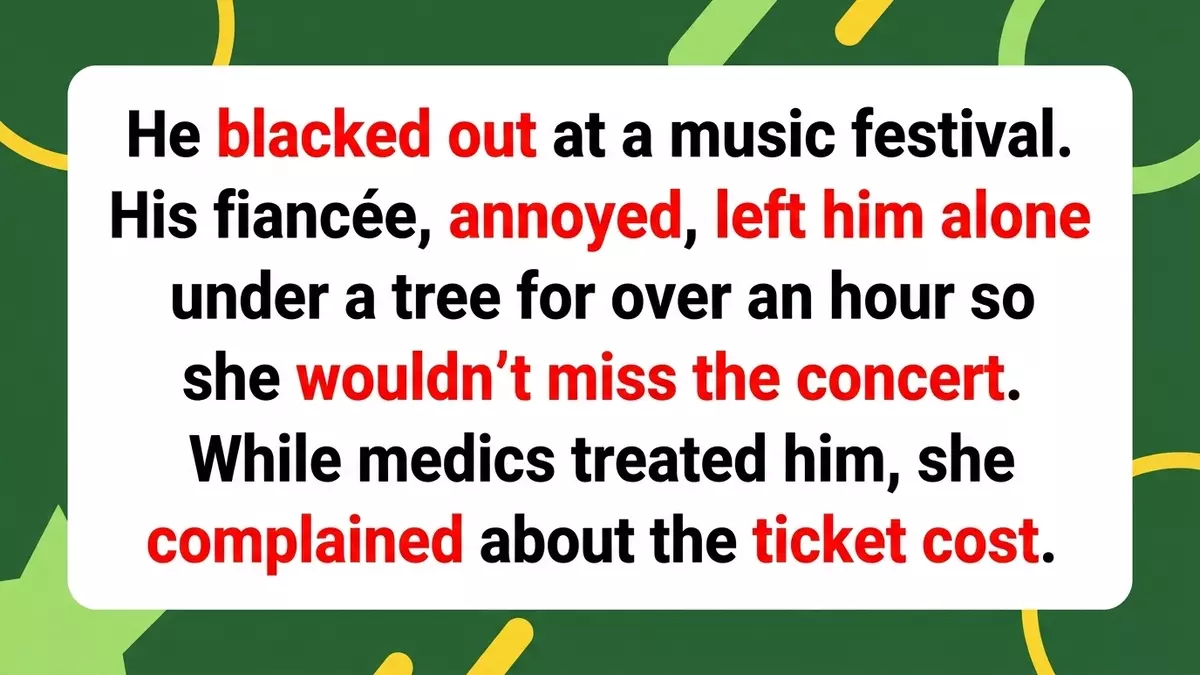
Rebuilding trust after such a profound disconnect requires deep reflection and a genuine willingness to prioritize compassionate communication. Ultimately, how we react to a partner’s vulnerability reveals the true state of our character as a partner. If a companion is willing to leave you stranded under a tree to preserve their ticket value, the umbilical cord of trust has effectively been severed. Calling off an engagement is incredibly painful, but it is far safer to reevaluate a lifetime commitment now than to tie your future to someone who treats your health as an inconvenient distraction.
Frequently Asked Questions
1. What is caregiving mismatch in a relationship?
Caregiving mismatch occurs when one partner experiences an illness, injury, or emotional crisis, and the other partner responds with coldness, irritation, avoidance, or resentment instead of offering empathy and physical support. This creates a severe emotional rift and destroys relationship safety.
2. Could an unsupportive reaction during a medical emergency just be a panic response?
Yes, some individuals experience a psychological "freeze" response when faced with sudden trauma or medical crises, making them appear detached or clumsy. However, if the detachment is accompanied by active complaints about missed entertainment, lost money, or ongoing annoyance rather than panic for your safety, it is usually a sign of low empathy rather than a fear response.
3. How do you address long-term lifestyle differences before they ruin a relationship?
Couples with contrasting social energy levels (like an extreme extrovert and an extreme introvert) must establish clear boundaries and independent outlets. This means allowing one partner to attend concerts or festivals with friends while the other stays home guilt-free, rather than forcing constant, exhausting compromises.