
Chapter 2
Declaring that the art would “match her dining room” and offering vague “free advertising” isn’t a genuine valuation of the work, it’s an appropriation mindset, where someone else’s creative labor is treated as a convenience or accessory.
While “appropriation” can have a technical meaning in art theory (where artists intentionally borrow or recontextualize objects or images), it clearly does not apply here: the neighbor did not engage in a creative re‑use, she simply wanted to take possession of someone else’s work for her own benefit.
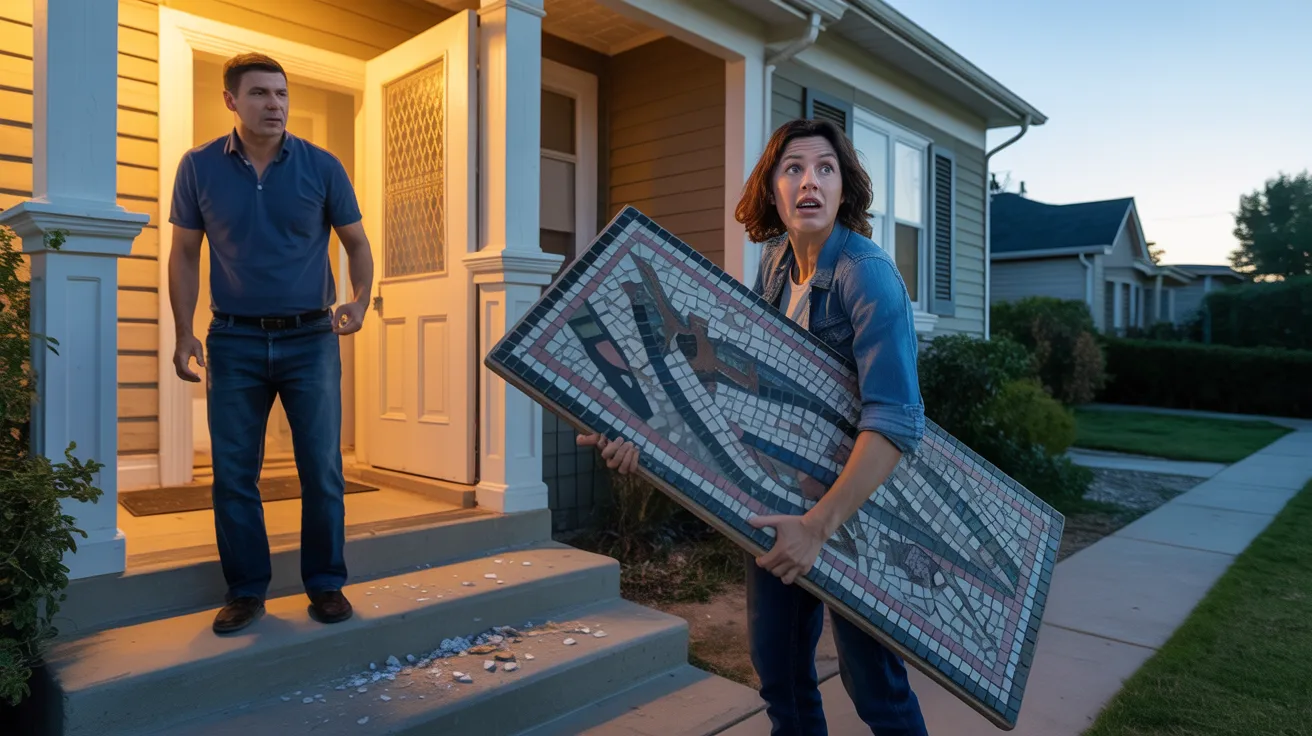
The situation escalated from boundary crossing into theft when the neighbor entered the OP’s home and took the mosaic without permission.
Theft is defined as the unauthorized removal of another’s property with the intent to permanently deprive them of it, and psychological research highlights that a common motivation for theft, beyond economic reasons, often involves entitlement, disregard for boundaries, or failure to recognize others’ ownership rights.
Even if the neighbor intended to return the work “later,” entering someone’s home without consent and moving their property is a serious violation of both legal and social norms.
Theft isn’t just about economic loss, it’s about the failure to honor another person’s autonomy and possessions.
Social norms about courtesy and respect in the arts further support the OP’s stance.
Galleries and museums emphasize that art should be treated with respect: touching, displaying, or rescuing it for entertainment in unrelated settings is generally discouraged because it alters context and risks damage.
Respecting artistic work means acknowledging the creator’s intent and treating the piece according to the standards the artist sets, not repurposing it for someone else’s social gratification.
Neighbors who downplay the situation by calling it “just tiles” are overlooking this deeper dimension.
The impact of someone violating your private space and seizing an object of emotional and professional importance cannot be equated with a casual borrowing of a cookbook or board game.
What the neighbor did wasn’t a misunderstanding; it was a boundary violation that combined non‑consensual entry with unauthorized use of personal property.
Ultimately, the OP was not wrong to refuse the request or to take firm action when his property was taken without permission. He asserted a boundary that represented his values, emotional labor, and ownership rights.
While it’s always unfortunate when social relationships deteriorate, respecting others’ material and emotional boundaries is fundamental to healthy communities.
In this case, what began as an unreasonable request became a clear breach of ownership and trust, and the OP’s response was proportionate to protect what he has every right to keep for himself.