
Chapter 3
A child's resilience in escaping a harmful situation or blowing the whistle on abuse is extraordinary, but they should never have to be resilient alone. By implementing strict boundaries, securing professional psychological counseling, and demanding absolute accountability from the legal system, we can begin to transform family courts into spaces that place a child’s safety above all else.
Frequently Asked Questions
What should I do if my child tells me they are being physically restrained or hurt by a co-parent?
Believe them immediately and take action. Do not confront the co-parent directly, as this can lead to the destruction of evidence or retaliation against the child. Take your child straight to a pediatrician or an emergency medical facility to document the physical symptoms and report the situation to child protective services.
Can a parent face criminal charges for using a homemade restraint as discipline?
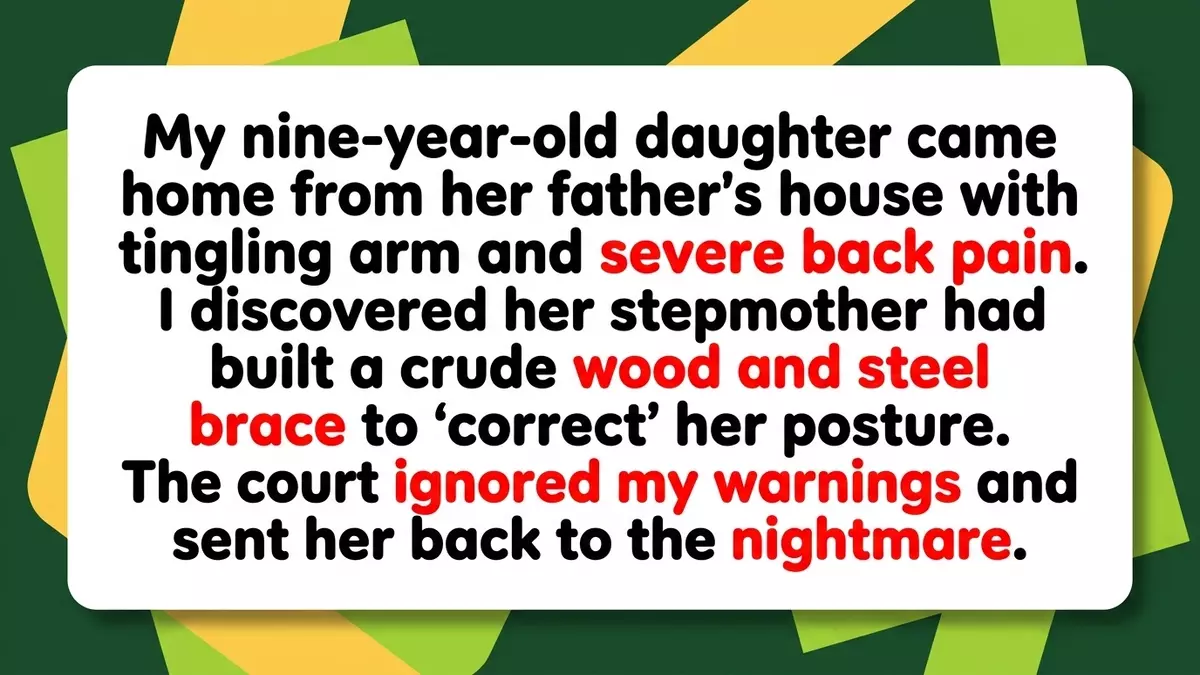
Yes. Using heavy, non-medical, or homemade physical restraints on a child crosses the line from disciplinary action into criminal child abuse, unlawful confinement, and reckless endangerment. These actions can result in immediate arrest, criminal prosecution, and the permanent termination of parental rights.
Why do family courts sometimes ignore a child's complaints of abuse?
Family courts are heavily backed by a legal philosophy that emphasizes the importance of a child maintaining a relationship with both parents. Unfortunately, this can manifest as a systemic bias where judges or mediators view allegations of abuse as exaggerations stemming from a bitter custody battle, requiring an incredibly high threshold of forensic or medical proof to override the default joint-custody framework.
How can teachers or neighbors help a child trapped in an abusive household?
Teachers, neighbors, and school staff are critical components of the child protection safety net. If a child confides in you, or if you witness signs of physical restraint or extreme fear, document the interaction and file a report with local child protective services or law enforcement immediately. You can remain anonymous while providing life-saving intervention.
How do I help my child recover emotionally from severe domestic trauma?
Recovery requires a stable, predictable, and completely safe environment. Enroll your child in specialized trauma-informed pediatric therapy, such as Trauma-Focused Cognitive Behavioral Therapy (TF-CBT). Allow them to regain a sense of personal agency by giving them control over their daily choices, and reassure them constantly that they are safe and no longer trapped.