
Chapter 2
Navigating the Acculturation Gap
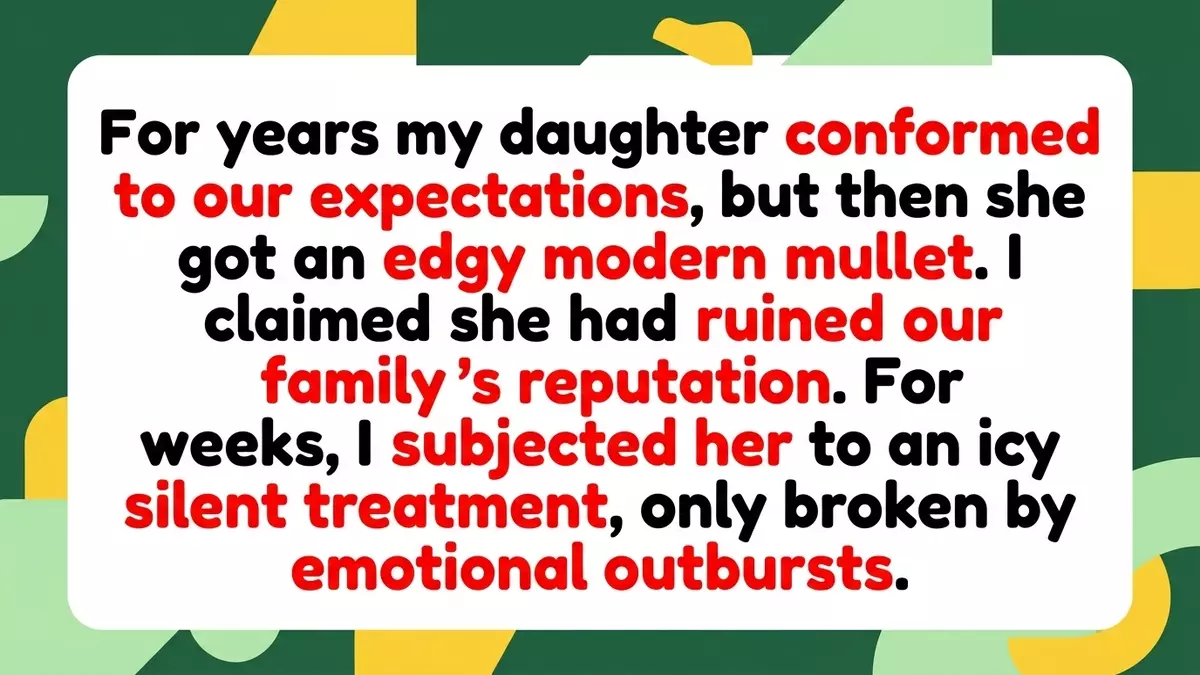
When children of immigrants grow up in a Western society, they frequently navigate what sociologists call the acculturation gap. This occurs when younger generations adopt the cultural norms, values, and styles of the surrounding society much faster than their parents.
-
The Daughter's Lens: A haircut is an act of personal autonomy, a vital step toward independent adulthood, and a boost to her self-confidence.
-
The Mother's Lens: A child's presentation is directly tied to collective honor, family respectability, and social survival within the community.
Dr. John Berry, a pioneer in cross-cultural psychology, has extensively documented how acculturation strategies differ across generations, often leading to intense domestic friction. In collectivist cultures, parental control is frequently wielded as a protective shield against community judgment. To the mother, a non-traditional haircut feels like a public rejection of her heritage and her parenting.
Establishing Autonomy Amid Parental Backlash
Confronting intense family pressure over personal choices requires a delicate balance of empathy and immovable boundaries. Experts suggest several strategic steps to navigate this level of domestic tension:
1. Differentiate Fear from Malice
Recognize that your parent's extreme reaction often stems from deep-seated fears of isolation or rejection by their community. Acknowledging their underlying anxiety can help you remain calm, but it should never dictate your personal lifestyle choices.
2. Practice Gray-Muzzling and Disengagement
When a style choice is treated as a major crisis of parental control, avoid over-explaining or getting defensive. Respond with neutral, non-confrontational statements:
"I understand you prefer my hair long, but I really love this style and it makes me feel confident."
If the crying or silent treatment continues, physically step away from the room to establish an emotional boundary.
3. Build Independent Self-Esteem
When living under the same roof as parents who offer only conditional acceptance, it is critical to develop emotional independence. Focus on your academic goals, your career path, and supportive friendships outside the family unit that celebrate your authentic self.
Community Verdict: Social Anxiety Over Style
When this cultural standoff was shared online, the community rallied overwhelmingly around the young woman. Users from similar cultural backgrounds pointed out that the mother's meltdown was entirely about her own social anxieties rather than the physical hair itself.
| Family Member | Stance on Self-Expression | Community Reaction |
| The Mother | Demands conformity; uses guilt and silence to enforce traditional community standards. | Criticized for projecting personal social insecurities onto her daughter's identity. |
| The Teenager | Prioritizes personal happiness, modern identity, and physical autonomy. | Celebrated for her courage to embrace her true self despite immense domestic pressure. |
While a few pragmatic commenters urged the teen to keep the peace temporarily while living at home, the vast majority agreed that compromising on basic self-expression only invites deeper parental control over future life choices, such as career paths and relationships.